Regular visits from your dental equipment engineer are crucial for keeping your practice running like a well-oiled machine. But these visits are about more than just maintenance; they’re a fantastic chance to ask questions, plan, and make sure your equipment is performing at its peak. Here’s how to maximise every visit and truly benefit your practice.
What is a dental engineer visits?
In any modern dental practice, your equipment is a significant investment that directly impacts daily efficiency, patient care, and long-term reliability. With that in mind, regular visits from a dental equipment engineer are not just about keeping things in check, they’re an essential part of your ongoing maintenance strategy.
These visits provide more than just service; they’re a golden opportunity to ask questions, plan for future needs, and ensure your equipment is running at its best. Whether it’s your first scheduled visit or part of a routine maintenance plan, knowing what to expect and how to prepare can help you get the most out of each appointment.
Why dental engineer visits matter
Dental engineers are highly trained specialists who inspect, maintain and repair your dental equipment. From dental chairs and delivery systems to sterilization equipment, lighting, and dental unit waterline (DUWL) systems, they play a vital role in ensuring everything runs smoothly. More importantly, they can spot early signs of wear or malfunction, helping you prevent breakdowns before they occur. This proactive approach minimises unexpected downtime, protects your investment, and keeps your team’s workflow seamless.
Beyond the technical checks, engineers can also provide insights into how your team interacts with the equipment, suggest ways to boost efficiency, and highlight any potential compliance issues. With today’s practices facing increasing pressure to deliver care that is both safe and efficient, these visits are an invaluable touchpoint.
Preparation pays
To make the most of the engineer’s time, a bit of prep work can really pay off. Start by going over your equipment list and noting any issues you’ve spotted, no matter how minor they may seem. If you have them, keep serial numbers and service histories handy, and think about any consumables or replacement parts you might want to ask about.
It’s also a good idea to give your team a heads-up in advance, so they know which rooms or units will be off-limits during the visit. Designating a point of contact, like the lead nurse or practice manager, can really help streamline communication on the day and ensure that the right questions are asked. Plus, make sure to clear the area around the equipment, giving the engineer easy access. Cluttered spaces or blocked floor boxes can slow things down, so taking a few minutes to tidy up beforehand is definitely worth it.
What to expect during the visit
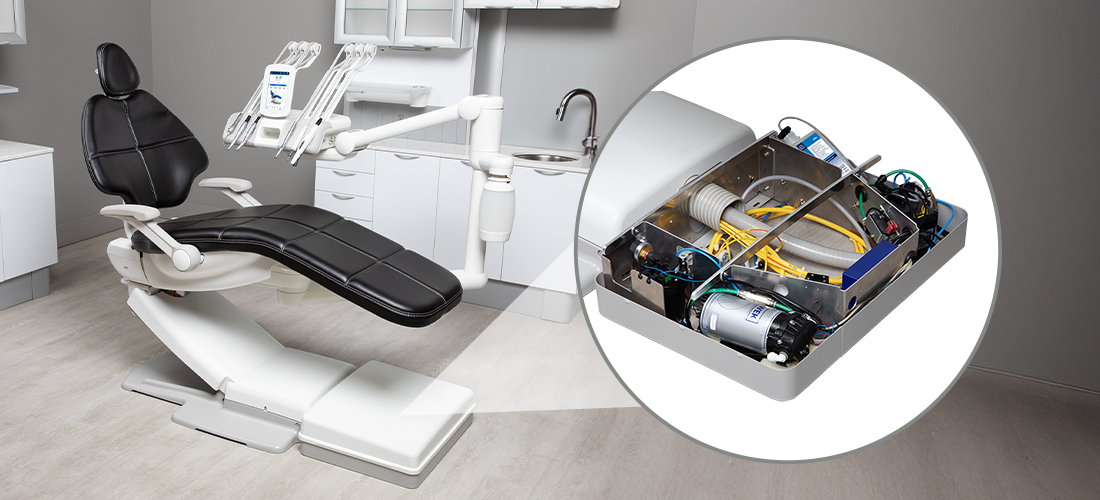
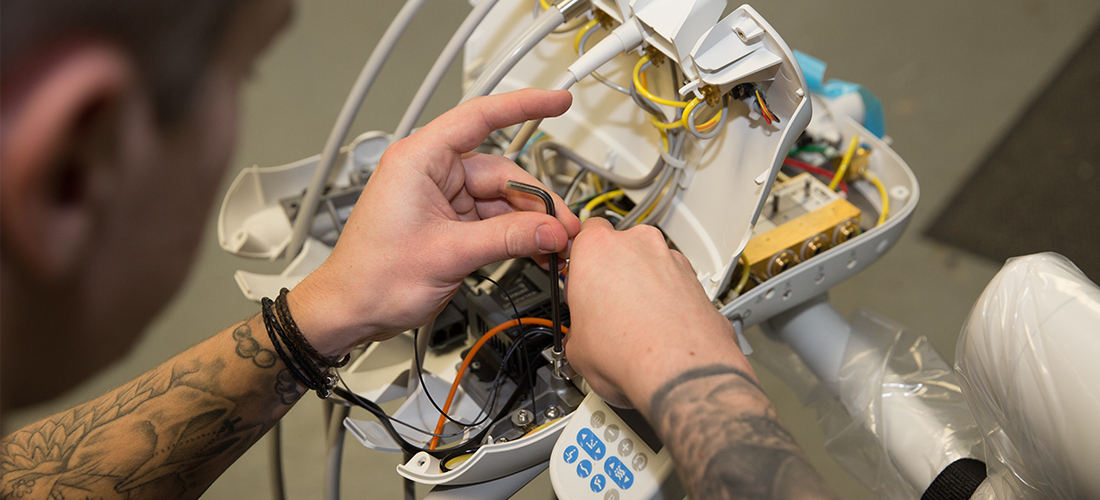
Once the engineer arrives on-site, they'll kick things off by taking a close look at any issues you've pointed out and inspecting the equipment as needed. Typically, they'll perform a detailed visual and mechanical check, examining moving parts, tubing, motors, and control systems for any signs of wear and tear. For instance, if your practice uses A-dec chairs, they'll pay special attention to the linkages, actuators, and delivery systems to make sure everything is running smoothly and meets the operating standards. They'll also check the electrical systems and wiring to ensure they're safe and functional. Any pneumatic or hydraulic systems, like those that help with chair movement or air/water delivery, will be tested to confirm they're performing consistently and correctly.
If your practice uses an automated solution like A-dec Maintain*, you can expect the engineer to check that the continuous dosing system is operating correctly, that the hydrogen peroxide concentrate is being dispensed at the right level, and that all related components (like filters and tubing) are in good shape.
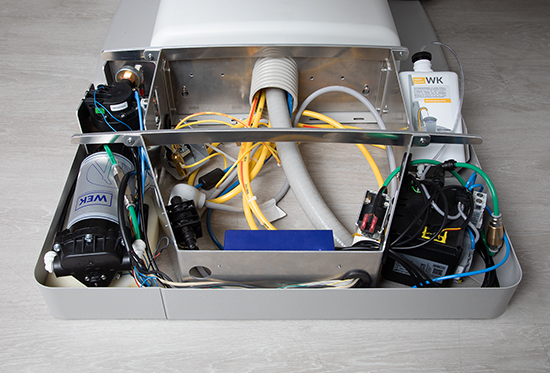
Depending on the type of visit, they might also handle calibration. Engineers can test pressure levels, spray patterns, and light intensity to ensure everything stays within the manufacturer’s recommended parameters, which is crucial for both patient comfort and procedural efficiency. If any parts need replacing, whether it’s a worn seal, old tubing, or a filter that’s reached the end of its life, the engineer might replace them on the spot or suggest ordering a specific part. After all the checks and repairs are done, a final round of testing is usually carried out to make sure everything is fully functional. The engineer will then provide a service report detailing what was done.
Post-visit: now what?
After your visit, take a moment to go over the service report with your team. This is a great chance to highlight any key takeaways, especially if the engineer shared tips on how to use the equipment more effectively or improve maintenance routines. If the report suggests any future repairs or replacements, it’s wise to schedule those soon to prevent any further wear or unexpected breakdowns.
Be sure to keep the service report in a spot that’s easy to access, whether that’s digitally or in a physical folder. This will serve as a handy record for compliance audits and can be beneficial for warranty claims or troubleshooting during future visits. Additionally, consider setting up internal reminders for the daily, weekly, or monthly maintenance tasks that were discussed during the visit. These could include things like flushing waterlines, checking for leaks, or cleaning filters, simple actions that can really help prolong the life of your equipment.
The added value of expert advice
While engineers are mainly there to keep your equipment running smoothly, many are also more than willing to share their insights beyond just the technical stuff. Wondering if your current setup is really working for your workflow? Just ask! Interested in whether a newer model could save your team some time or cut down on manual tasks? They often have valuable perspectives based on what’s worked well in similar situations. If you’re considering an upgrade or expansion, the engineer might be able to help you with compatibility questions, lead times, or even put you in touch with your local Territory Manager for more in-depth assistance. This kind of casual consultation can be incredibly beneficial; especially when it comes from someone who truly understands your equipment.
Setting up a schedule
Many practices prefer to schedule visits every six or twelve months, depending on equipment use and complexity. In busy environments or larger multi-surgery setups, more frequent visits can make a significant difference. It’s also wise to plan a visit before major inspection times or when new equipment is being installed.
More than just a routine visit, dental engineers provide a golden opportunity to enhance. It’s a golden opportunity to enhance the reliability, efficiency, and safety of your practice environment. By getting ready ahead of time, engaging with the engineer during their visit, and following through on their suggestions, you’re not just safeguarding your investment, you’re also playing a key role in elevating patient care and ensuring smoother daily operations. For doctors using A-dec equipment, these visits offer a unique chance to tap into the expertise of professionals who are well-versed in one of the most respected brands in the industry. With regular maintenance, reliable advice, and a proactive mindset, your practice is set to keep progressing with confidence.
Ready to enhance the reliability of your equipment? Contact A-dec Customer Service to book.
*Available in EU market